Table Of Content

The condition is more likely to occur as a person ages, but it can start at any point after puberty. Many females who experience androgenetic alopecia develop it after menopause. A dermatologist can help you understand if you have hair loss, excessive hair shedding, or both, and help you identify possible causes. Spironolactone oral tablet may interact with other medications and supplements, including vitamins and herbs. If you’d like to try this medication for hair loss, a doctor or pharmacist can offer more guidance on whether it could work for you. People looking for a treatment to help prevent or regrow hair have several potential options.
Hair loss symptoms
When this occurs, as much as 70% of scalp hair can fall out, often in handfuls, around two months after the trigger. If you have healthy hair on the back or side of your head, a doctor can surgically remove hair strands from those areas and graft them into your scalp in a bare area. It’s another expensive treatment that isn’t generally covered by insurance, but it tends to be a long-lasting solution. The most common cause of alopecia is an inherited condition called male- or female-pattern hair loss. Here, dermatologists share what you need to know about alopecia, including possible causes, treatment options and what you can do to prevent more hair loss. If a person notices they are losing more hair than usual, they may have an underlying condition.
vitamin B7 (biotin)
Most hair-loss plans, according to Morrell, are slow to show results and can require a minimum of three to six months to produce any noticeable change. ‘What is surprising with the Advanced Hair System is how much quicker we see results,’ she says. The hair-restoration program is designed to be used for six weeks (though Morrell sometimes recommends a second series in advanced cases).

The role of vitamins and minerals in hair health: Essential nutrients for strong and healthy hair
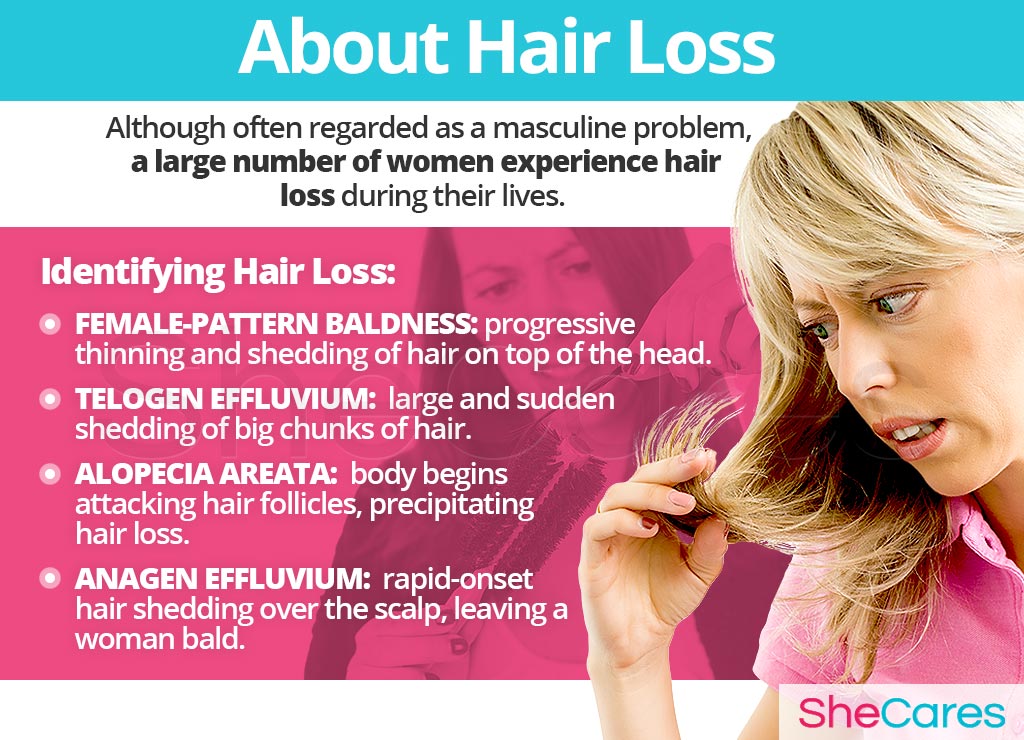
However, because most studies up until now have been very small, the review calls for more research using platelet-rich plasma for androgenic alopecia. Telogen effluvium is common, seen more frequently in women, and usually happens two to three months after a triggering event. It typically doesn't last more than six months, but if it does, it's considered chronic. Dozens of over-the-counter supplements and products purport to reverse hair loss, making it tough for patients to know which ones work and which don’t. Generally speaking, the sooner you start treatment, the more options you have and the better your results, dermatologists say. “As soon as you notice hair loss is happening, you should come in,” says Lauren Eckert Ploch, a dermatologist in Aiken, South Carolina.
Women and Hair Loss: Causes
To prevent pregnancy, your dermatologist will also prescribe a birth control pill if it’s possible for you to get pregnant. Within the first few months of treatment, you may notice that you are losing less or minimal amounts of hair. Free to everyone, these materials teach young people about common skin conditions, which can prevent misunderstanding and bullying. Both the CDC and the FDA warn against treating this common childhood condition on your own with non-prescription treatments. If your hair loss results from medication, hormonal imbalances, thyroid disease or diet, your provider will address the cause. Correcting the underlying problem is often all that’s needed to help stop hair loss.
Over-the-counter and prescription medications
Can GLP-1 drugs Ozempic and Wegovy cause suicidal ideation, hair loss? - Medical News Today
Can GLP-1 drugs Ozempic and Wegovy cause suicidal ideation, hair loss?.
Posted: Mon, 08 Jan 2024 08:00:00 GMT [source]
A 2018 review suggests that a vitamin D deficiency may link to hair loss. The authors also suggest that to help prevent hair loss, people low in iron would benefit from iron supplementation and making sure they get enough vitamin C. If a person has this condition, they should contact a doctor. A doctor may recommend corticosteroid injections to the scalp or prescribe other medication to help the hair grow back. Alopecia areata is an autoimmune condition that causes hair to fall out suddenly.
“Plus, if you’re experiencing thinning then your scalp is more exposed to environmental aggressors (such as UV rays) and harsh ingredients. If you notice hair loss, talk to your doctor as soon as you can. When you see a doctor to see what's causing your hair loss, they’ll probably start with a physical exam and ask about your diet, family history, and medical history. Massaging the scalp may increase circulation in the area and promote hair growth. Research from 2016 showed that regular scalp massage helped to make hair thicker.
Try stress-relief techniques
Most of the time, no treatment is necessary, and your hair will return to its normal growth cycle. Although telogen effluvium doesn’t typically lead to baldness, it may lead to hair appearing thin, especially around the temples and crown of the head. Minimize the use of high-heat styling tools, hair extensions and harsh treatments like perms. Avoid hairstyles like tight buns and braids that pull on your scalp, potentially causing traction alopecia. A variety of treatments have been developed to help regrow hair and thicken existing hair on patients with alopecia, dermatologists say. Their effectiveness largely depends upon what type of alopecia you have and how quickly you start treatment.
Extreme diets that are too low in protein or certain vitamins, such as iron, can sometimes cause excessive hair shedding. Males with this condition tend to lose hair from the temples and crown of the head. In females with androgenetic alopecia, the hair usually becomes thinner all over the head. A person may lose hair as a result of a health-related issue, such as alopecia areata, a nutrient deficiency, or medication use.
If you’re losing more than that, talk with a doctor to rule out any underlying medical conditions before exploring your options. That said, there are a number of possible medications and treatments for hair loss caused by female-pattern baldness and other alopecias. Doctors often prescribe oral medications to be used along with topical minoxidil because studies show the combination boosts hair production. Low-dose oral minoxidil (prescribed off-label) has been found to be effective and safe for most patients, Mirmirani says. Other oft-used drugs include finasteride (Propecia) and spironolactone. Choosing a hair loss treatment plan is a highly personal decision.
7 Best Red Light Therapy Hair Growth Devices, According to Experts - ELLE
7 Best Red Light Therapy Hair Growth Devices, According to Experts.
Posted: Fri, 19 Apr 2024 19:52:00 GMT [source]
Very low calorie diets can deprive the body of essential nutrients, including those necessary for healthy hair, such as protein, fatty acids, and zinc. A 2017 study found that several participants experiencing hair loss had low protein and amino acid intakes. Researchers need to carry out additional studies to examine whether nutritional deficiencies do relate to hair loss.
Topical tretinoin (Retin-A) is sometimes used in combination with minoxidil to treat androgenic alopecia. "As soon as you start to see hair loss — because hair disorders are often time-sensitive — I would encourage you to see a hair specialist, such as a dermatologist," she says. Studies dating back several years suggest vitamins help prevent hair loss. Hair loss is a complicated topic and the role of nutrition in preventing or treating hair loss can be somewhat controversial. Tinea capitis, also called ringworm of the scalp, is a fungal infection that can affect the scalp and hair shaft. Over time, if not treated early, the size of the patch or patches will increase and fill with pus.
Skip tight braids or ponytails that may pull on your hair at the root and potentially lead to excessive shedding. In the meantime, talk with your doctor before adding ginseng supplements to your diet. Minoxidil may irritate your scalp and cause dryness, scaling, itching and/or redness.
Women may notice that their part is becoming wider or that their scalp is more visible. The laser devices help increase blood circulation and remove waste in the follicle to support natural hair growth and help thicken existing hair. Studies indicate that this medication is effective in about 40% for women who have female pattern hair loss. In one study of 166 women taking spironolactone, 42% said they had mild improvement, and 31% reported increased thickness. Early evidence suggests that injections of platelet-rich plasma may also help reduce hair loss. Hair shedding due to an illness such as COVID-19 typically improves three to six months after recovery.
Possible risks include bleeding, bruising, swelling and infection. You may need more than one surgery to get the effect you want. Hereditary hair loss will eventually progress despite surgery. If your hair loss is caused by an underlying disease, treatment for that disease will be necessary.



No comments:
Post a Comment